Cameron and Green

Implementing Change: Cameron and Green’s Model

Change is a constant factor in the contemporary business landscape. Organizations must adapt to evolving market trends, technological advancements, and customer expectations to maintain competitiveness and success. Recognizing the necessity of change is vital for an organization’s long-term viability. This recognition can arise from various indicators, including declining sales figures, obsolete processes, or shifts in consumer behavior. Organizational leaders must identify when change is required and proactively address these issues before they escalate. Understanding the Read more

Time for Change. Use the ADKAR Model to stay ahead

Implementing Change Successfully: Using the ADKAR Model

The ADKAR model is a change management framework designed to help organizations and individuals navigate the process of change effectively. It consists of five key elements: Awareness, Desire, Knowledge, Ability, and Reinforcement. Awareness is the initial stage where individuals recognize the need for change and understand its rationale. This involves assessing the current situation and identifying areas for improvement. Desire represents the development of willingness to support and participate in the change. It involves creating Read more

Kotter

Mastering Change with Kotter’s 8-Step Model

In the contemporary business landscape, characterized by rapid changes and constant evolution, organizational adaptation is essential for survival and success. The necessity for change can stem from various factors, including technological advancements, shifts in consumer preferences, or alterations in the competitive environment. Recognizing the need for change involves identifying indicators that current practices are becoming ineffective or unsustainable, such as declining sales figures, increased customer dissatisfaction, or diminishing employee morale. Proactive leadership is crucial in Read more

Burke-Litwin

Burke-Litwin Model (1992) – 12 Key Variables for Organizational Change

The Burke-Litwin Model is a framework for understanding and managing organizational change, developed by George H. Litwin and W. Warner Burke in 1992. This widely adopted tool is based on the concept that organizations are complex systems with multiple interdependent factors influencing their performance. The model provides a comprehensive view of the elements impacting organizational change and assists leaders in identifying key drivers of change within their organizations. The model identifies 12 key variables that Read more

Satir Change Model

Implementing Change: Satir Change Model (1991)

The Satir Change Model, developed by family therapist Virginia Satir, is a framework for understanding the process of change in individuals, teams, and organizations. This model posits that change is a natural and necessary part of life and that individuals and systems progress through predictable stages during change. The model comprises four distinct stages: late status quo, chaos, transforming idea, and new status quo. The late status quo stage represents a period of stability and Read more

New Beginnings with Bridgets Transition Model

Navigating Change: Bridges’ Transition Model

The Bridges’ Transition Model is a framework developed by William Bridges to help individuals and organizations understand and manage the process of change. This model consists of three stages: endings, neutral zone, and new beginnings. It emphasizes the importance of addressing the emotional and psychological aspects of change, rather than solely focusing on practical or logistical considerations. The first stage, endings, involves letting go of old ways and familiar routines. This can be emotionally challenging, Read more

McKinsey's 7-S Model

Implementing McKinsey’s 7-S Model for Organizational Success

McKinsey’s 7-S Model is a management framework developed by McKinsey & Company in the 1980s. It posits that seven internal organizational factors must be aligned for success. These factors are categorized into “hard” elements (strategy, structure, and systems) and “soft” elements (shared values, skills, style, and staff). The model serves as a tool for analyzing organizational dynamics and identifying areas for improvement. The 7-S Model emphasizes the interconnectedness of these seven elements. Changes in one Read more

Lippitt`s Phases of Change

Navigating Change: Lippitt’s Phases of Change Theory

Lippitt’s Phases of Change Theory is a model developed by social psychologist Jean Lippitt in the 1940s that outlines the stages individuals and organizations experience during change implementation. The theory has been widely applied in organizational development and consists of seven distinct phases. The first phase, diagnosing the problem, involves identifying and understanding the specific issue or challenge that requires change. In the second phase, individuals or organizations assess their motivation and capacity for change, Read more

Kübler-Ross

Navigating Change: Kübler-Ross Curve Explained

The Kübler-Ross Curve, also known as the five stages of grief, was introduced by Swiss psychiatrist Elisabeth Kübler-Ross in her 1969 book “On Death and Dying.” Initially developed to explain the emotional process of terminally ill patients facing mortality, the model has since been applied to various forms of loss and change, including significant life transitions. The Kübler-Ross Curve outlines five stages of grief: denial, anger, bargaining, depression, and acceptance. These stages are not necessarily Read more

Lewin Change Model

Implementing Change: Lewin’s Model

Lewin’s Model of Change is a three-step framework developed by psychologist Kurt Lewin in the 1940s. The model conceptualizes change as a process involving unfreezing the current state, implementing change, and refreezing the new state to ensure permanence. The unfreezing stage prepares the organization for change by raising awareness and reducing resistance. The change stage involves implementing and integrating new practices. The refreezing stage stabilizes the change by reinforcing new behaviors and incorporating them into Read more

Change Management Models

Introduction to Change Management Models: Navigating Change with Purpose

Change is an inevitable part of any organization’s journey. Whether driven by external factors like market disruptions, technology shifts, or internal goals such as restructuring or improving efficiency, change is a constant. While change is often necessary, it’s rarely easy. It affects processes, systems, teams, and individual employees, often stirring uncertainty and resistance. This is where change management models come into play. Change management isn’t just about understanding what needs to change—it’s about guiding organizations Read more

Change Management Audit

Mastering Change Management Audits: A Step-by-Step Guide

Change management audits are essential tools for organizations to evaluate their change management processes and practices. These assessments help identify strengths and weaknesses in an organization’s approach to change management, providing valuable insights for improvement. Typically, change management audits involve a thorough examination of the organization’s policies, procedures, and practices related to change management, as well as an evaluation of how effectively these are implemented and followed throughout the organization. The importance of change management Read more

Resistance to Change

Understanding Resistance to Change: Key Findings and Implications

Change is an inevitable part of life, but how individuals respond to it can vary widely. The study “Resistance to Change: Developing an Individual Differences Measure” by Shaul Oreg provides valuable insights into understanding why some people are more resistant to change than others. Here’s a deep dive into the key findings and implications of this research. Understanding Resistance to Change What is Resistance to Change? Resistance to change is defined as an individual’s dispositional Read more

Constructive Conflict

Confrontation and Change: Embracing the Power of Constructive Conflict

In the landscape of organizational change, confrontation often carries a negative connotation. It conjures images of heated debates, fractured relationships, and disruption. Yet, confrontation, when managed effectively, can be a powerful catalyst for change. It can break down barriers, foster innovation, and drive progress. Understanding how to harness the energy of confrontation can transform it from a source of conflict into a wellspring of growth and improvement. Make constructive conflict work Understanding Confrontation Confrontation in Read more

Waves of Change

Navigating the Waves of Change: A Guide to Effective Change Management

In today’s dynamic business landscape, change is the only constant. Organizations are constantly adapting to new technologies, market trends, and customer demands, and this requires a proactive approach to change management. Effective change management is essential for ensuring that organizational changes are implemented smoothly, efficiently, and with minimal disruption to employees and operations. In this guide, we explore how to navigate the waves of change. Addressing the Waves of Change The Human Element of Change: Read more

Effective change management

Effective Change Management in the Workplace

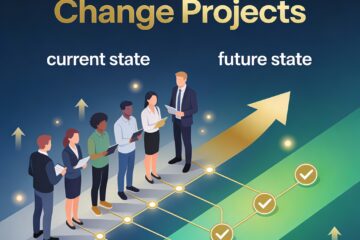
Change is an inevitable aspect of organizational growth and development. It can manifest as technological advancements, process restructuring, or leadership transitions. Effective change management is critical for organizational success and involves a structured approach to transitioning individuals, teams, and organizations from their current state to a desired future state. Key components of change management include: Change management is essential because it helps organizations navigate the complexities of transition in a structured and organized manner. Without Read more

Principles

Mastering Change Management: Key Principles for Success

Change management is a crucial aspect of running a successful business in today’s fast-paced and ever-evolving world. It involves the principle of planning, implementing, and managing changes within an organization to ensure that they are effectively and smoothly integrated. Change management is important because it helps businesses adapt to new technologies, market trends, and customer demands. Without a proper change management process in place, businesses may struggle to keep up with the competition, experience resistance Read more

Tools

Mastering Change: Essential Tools for Effective Management

Change management is a crucial aspect of today’s business environment. In a rapidly evolving world, organizations must be able to adapt and respond to changes in order to stay competitive and thrive. Change management involves the processes, tools, and techniques used to manage the people side of change and ensure successful implementation. It is essential for organizations to effectively manage change in order to minimize resistance, maximize employee engagement, and achieve desired outcomes. Key Takeaways Read more

Fun Communcation

Fun Communication Games to Improve Your Social Skills

Social skills are essential for building relationships and succeeding in life. Whether it’s in personal or professional settings, good communication skills are necessary for effective social interaction. Being able to express oneself clearly, listen actively, and understand nonverbal cues are all important aspects of communication. However, not everyone is naturally adept at these skills. That’s where communication games come in. These games provide a fun and engaging way to practice and improve social skills. Key Read more

Transformational Leadership

Transforming Teams: The Power of Transformational Leadership

Transformational leadership is a leadership style that focuses on inspiring and motivating individuals to achieve their full potential and exceed their own expectations. It is a leadership approach that goes beyond traditional transactional leadership, which focuses on exchanging rewards for performance. Transformational leaders are able to create a vision for the future, communicate it effectively, and inspire their team members to work towards that vision. This style of leadership is particularly important in team dynamics, Read more