As we navigate the complexities of the modern business landscape, the integration of artificial intelligence (AI) into change management has emerged as a pivotal development. The rapid pace of technological advancement and the ever-evolving expectations of stakeholders compel organizations to adapt swiftly and efficiently. In this context, AI serves as a transformative tool that not only streamlines processes but also enhances decision-making capabilities.
By harnessing the power of AI, we can better manage change initiatives, ensuring that they are not only effective but also sustainable in the long run. The intersection of AI and change management presents a unique opportunity for organizations to leverage data-driven insights and predictive analytics. This synergy allows us to anticipate challenges, identify opportunities, and ultimately foster a culture of agility and resilience.
As we delve deeper into the intricacies of change management, it becomes evident that AI is not merely an auxiliary tool; it is a catalyst for innovation and growth. Our exploration of this topic will illuminate the multifaceted role of AI in facilitating successful change initiatives.
Key Takeaways
- AI is revolutionizing change management by offering new tools and techniques to navigate organizational transitions.
- Change management involves understanding and addressing the challenges that come with implementing change within an organization.
- AI plays a crucial role in change management by providing data-driven insights, predictive analytics, and automation capabilities.
- Use cases of AI in change management include sentiment analysis, employee engagement tracking, and personalized change management plans.
- AI applications for organizational change include virtual assistants, chatbots, and machine learning algorithms to support decision-making and communication processes.
Understanding Change Management and its Challenges
Change management is a structured approach that guides organizations through transitions, whether they involve new technologies, processes, or organizational structures. At its core, change management seeks to minimize resistance and maximize engagement among employees, ensuring that changes are embraced rather than resisted. However, the path to successful change is fraught with challenges.
Resistance from employees, lack of clear communication, and insufficient training are just a few hurdles that organizations often encounter. Moreover, the dynamic nature of today’s business environment adds another layer of complexity to change management. Rapid technological advancements and shifting market demands require organizations to be agile and responsive.
This necessitates not only a robust change management strategy but also the ability to adapt that strategy in real-time. As we reflect on these challenges, it becomes clear that traditional methods may no longer suffice. We must explore innovative solutions that can enhance our change management efforts and address the evolving needs of our organizations.
The Role of AI in Change Management
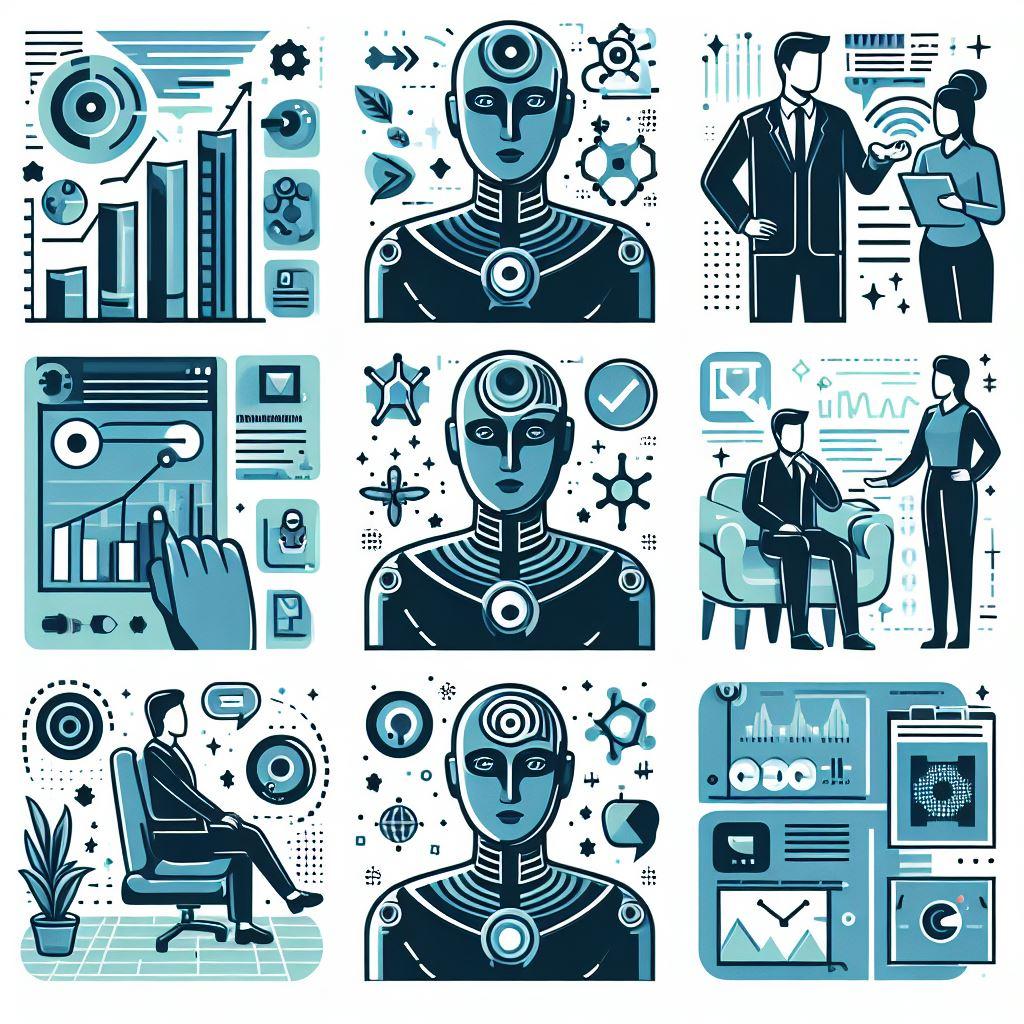
AI plays a transformative role in change management by providing tools and insights that enhance our ability to navigate transitions effectively. One of the most significant contributions of AI is its capacity for data analysis. By processing vast amounts of data, AI can identify patterns and trends that inform our decision-making processes.
This capability allows us to anticipate potential challenges and devise strategies to mitigate them before they escalate. Additionally, AI can facilitate communication during change initiatives. Through chatbots and virtual assistants, organizations can provide real-time support to employees, addressing their concerns and questions as they arise.
This proactive approach not only alleviates anxiety but also fosters a sense of involvement among employees. By integrating AI into our change management processes, we can create a more inclusive environment where everyone feels empowered to contribute to the transition.
Use Cases of AI in Change Management
| Use Case | Description |
|---|---|
| Automated Communication | Using AI to automate communication with employees during change initiatives. |
| Change Impact Analysis | AI can analyze the potential impact of changes on different aspects of the organization. |
| Employee Sentiment Analysis | AI can analyze employee sentiment to gauge reactions to change and identify areas of concern. |
| Change Prediction | AI can predict the success or failure of change initiatives based on historical data and patterns. |
The application of AI in change management spans various use cases that demonstrate its versatility and effectiveness. One prominent example is employee sentiment analysis. By utilizing natural language processing (NLP) algorithms, organizations can analyze employee feedback from surveys, emails, and social media interactions.
This analysis provides valuable insights into employee attitudes toward change initiatives, enabling us to tailor our communication strategies accordingly. Another compelling use case is predictive analytics for project outcomes.
By leveraging historical data and machine learning algorithms, we can forecast the potential success or failure of change initiatives based on various factors such as employee engagement levels and resource allocation.
This foresight allows us to make informed decisions about which initiatives to prioritize and how to allocate resources effectively.
AI Applications for Organizational Change
AI applications for organizational change are diverse and can be tailored to meet specific needs within an organization. For instance, AI-driven project management tools can streamline workflows by automating routine tasks, allowing teams to focus on higher-value activities. These tools can also provide real-time updates on project progress, enabling us to identify bottlenecks and adjust our strategies promptly.
Furthermore, AI can enhance training and development programs during periods of change. Personalized learning platforms powered by AI can assess individual employee needs and deliver customized training content accordingly. This targeted approach not only accelerates the learning process but also ensures that employees feel equipped to navigate new systems or processes confidently.
Benefits of Using AI in Change Management

The benefits of incorporating AI into change management are manifold. First and foremost, AI enhances our ability to make data-driven decisions. By analyzing real-time data, we can identify trends and patterns that inform our strategies, leading to more effective change initiatives.
This analytical capability reduces reliance on intuition alone, allowing us to base our decisions on empirical evidence. Moreover, AI fosters greater employee engagement during change processes. By providing personalized support and resources, we can address individual concerns and empower employees to take an active role in the transition.
This sense of ownership not only mitigates resistance but also cultivates a culture of collaboration and innovation within the organization.
Challenges and Risks of Implementing AI in Change Management
Despite its numerous advantages, implementing AI in change management is not without challenges and risks. One significant concern is data privacy and security. As organizations collect and analyze vast amounts of employee data, ensuring compliance with privacy regulations becomes paramount.
We must establish robust data governance frameworks to protect sensitive information while still leveraging AI’s capabilities. Additionally, there is the risk of over-reliance on technology at the expense of human interaction. While AI can provide valuable insights, it cannot replace the importance of empathy and understanding in change management.
We must strike a balance between utilizing AI tools and maintaining meaningful connections with employees throughout the transition process.
Best Practices for Integrating AI into Change Management Processes
To successfully integrate AI into our change management processes, we must adhere to several best practices. First, it is essential to establish clear objectives for AI implementation. By defining specific goals, we can align our efforts with organizational priorities and measure success effectively.
Next, fostering a culture of openness and transparency is crucial. We should communicate openly with employees about how AI will be used in change initiatives and address any concerns they may have. Engaging employees early in the process not only builds trust but also encourages their active participation in shaping the transition.
Future Trends and Developments in AI for Change Management
As we look ahead, several trends are poised to shape the future of AI in change management. One notable development is the increasing use of advanced machine learning algorithms that can adapt over time based on new data inputs. This adaptability will enhance our ability to respond to changing circumstances swiftly.
Additionally, the integration of AI with other emerging technologies such as blockchain and augmented reality holds great promise for revolutionizing change management practices. These technologies can provide enhanced transparency, security, and immersive training experiences that further support organizational transitions.
Case Studies of Successful AI Implementation in Change Management
Examining case studies of successful AI implementation in change management offers valuable insights into best practices and lessons learned. For instance, a leading technology company utilized sentiment analysis tools powered by AI during a major organizational restructuring. By analyzing employee feedback in real-time, they were able to address concerns proactively and adjust their communication strategies accordingly, resulting in a smoother transition with higher employee satisfaction.
Another example involves a multinational corporation that implemented an AI-driven project management platform during a digital transformation initiative. The platform provided real-time updates on project progress and resource allocation, enabling teams to collaborate more effectively and meet deadlines consistently. This successful integration not only improved project outcomes but also fostered a culture of innovation within the organization.
The Future of AI in Change Management
In conclusion, the future of AI in change management is bright and full of potential. As we continue to explore innovative applications and best practices, it becomes increasingly clear that AI is not just a tool but a strategic partner in navigating organizational transitions. By embracing this technology thoughtfully and responsibly, we can enhance our ability to manage change effectively while fostering a culture of resilience and adaptability.
As we move forward, it is essential for us to remain vigilant about the challenges associated with AI implementation while also recognizing its transformative potential. By prioritizing data privacy, maintaining human connections, and continuously refining our strategies based on emerging trends, we can harness the power of AI to drive successful change initiatives that benefit both our organizations and our employees alike. The journey ahead may be complex, but with AI as our ally, we are well-equipped to navigate the future of change management with confidence.
In the realm of change management, the integration of AI technologies is proving to be a game-changer, offering innovative solutions and applications that streamline processes and enhance decision-making. A related article that delves into the dynamics of team collaboration during organizational changes can be found at Team Building in Change Management. This article explores how AI tools can facilitate effective team-building strategies, ensuring that teams are well-equipped to adapt to new changes and work cohesively towards common goals.
By leveraging AI, organizations can not only manage change more efficiently but also foster a culture of collaboration and resilience.
FAQs
What is AI in change management?
AI in change management refers to the use of artificial intelligence technologies to support and facilitate organizational change initiatives. This can include using AI for data analysis, predictive modeling, and decision-making to help manage and implement changes within an organization.
What are some use cases of AI in change management?
Some use cases of AI in change management include using AI-powered analytics to identify potential areas for change within an organization, using chatbots to provide support and guidance to employees during times of change, and using predictive modeling to anticipate and mitigate potential challenges during the change process.
How can AI be applied in change management?
AI can be applied in change management through various means, such as using natural language processing to analyze employee feedback and sentiment during times of change, using machine learning algorithms to identify patterns and trends in organizational data related to change, and using AI-powered project management tools to streamline and optimize change initiatives.
What are the benefits of using AI in change management?
Some benefits of using AI in change management include improved decision-making through data-driven insights, enhanced employee engagement and support through AI-powered communication tools, and the ability to anticipate and address potential challenges more effectively through predictive modeling and analysis.
What are the potential challenges of using AI in change management?
Some potential challenges of using AI in change management include concerns about data privacy and security, the need for ongoing training and education to effectively utilize AI tools, and the potential for AI to replace human decision-making and empathy in the change management process.