In today’s fast-paced and ever-evolving business landscape, the significance of empowering leadership cannot be overstated. As we navigate through complex challenges and opportunities, we recognize that leaders who empower their teams foster a culture of collaboration and innovation. Empowering leadership is not merely about delegating tasks; it is about instilling a sense of ownership and accountability within team members. When we empower our colleagues, we create an environment where individuals feel valued and motivated to contribute their best efforts. This, in turn, leads to enhanced productivity and a more engaged workforce.
Moreover, empowering leadership plays a crucial role in employee retention and satisfaction. When we feel empowered, we are more likely to remain committed to our organization and its goals. This commitment is essential for long-term success, as it reduces turnover rates and the associated costs of hiring and training new employees. By fostering an atmosphere where everyone feels empowered to share their ideas and take initiative, we not only enhance individual performance but also drive collective success. Ultimately, empowering leadership is a catalyst for growth, innovation, and resilience in any organization.
In exploring the nuances of leadership style, one can gain valuable insights from the article on the REVISION model, which emphasizes the importance of adaptability and responsiveness in leadership. This model aligns well with contemporary leadership theories that advocate for a more flexible approach to managing teams and driving change. For a deeper understanding of how these concepts can be applied in practice, you can read more about it in the article available at The REVISION Model.
Characteristics of an Empowering Leader
Empowering leaders possess a unique set of characteristics that distinguish them from traditional leaders. One of the most prominent traits is their ability to listen actively. They understand that effective communication is a two-way street, and they prioritize understanding the perspectives and ideas of their team members. By fostering open dialogue, they create an environment where everyone feels comfortable sharing their thoughts and concerns. This active listening not only builds trust but also encourages collaboration, as team members feel heard and valued.
Another key characteristic of empowering leaders is their commitment to transparency. They are open about their decision-making processes and share relevant information with their teams. This transparency cultivates a sense of trust and respect, as team members are more likely to feel included in the organization’s vision and goals. Additionally, empowering leaders are adaptable; they embrace change and encourage their teams to do the same. By modeling flexibility and resilience, they inspire others to approach challenges with a positive mindset, fostering a culture of continuous improvement.
Building Trust and Communication within Teams

Trust is the foundation of any successful team, and empowering leaders play a pivotal role in building that trust. They create an atmosphere where team members feel safe to express their ideas without fear of judgment or retribution. By encouraging open communication, they help to break down barriers that may hinder collaboration. Regular check-ins, feedback sessions, and team-building activities are just a few ways we can foster trust within our teams. When we prioritize communication, we create a sense of belonging that enhances team cohesion.
Furthermore, empowering leaders understand the importance of recognizing individual contributions within the team dynamic. By acknowledging the strengths and talents of each member, they reinforce the idea that everyone has a valuable role to play. This recognition not only boosts morale but also encourages team members to communicate more openly with one another. As trust builds within the team, we find that collaboration becomes more natural, leading to innovative solutions and improved performance.
Encouraging Innovation and Creativity
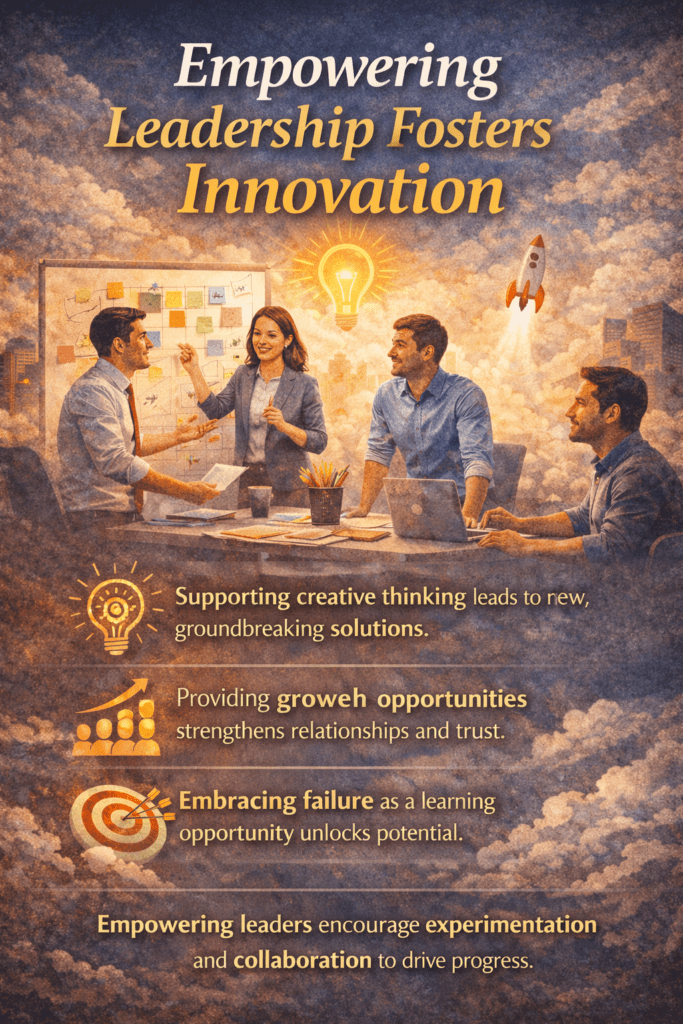
In an era where innovation is key to staying competitive, empowering leaders actively encourages creativity within their teams. They create an environment where experimentation is welcomed, and failure is viewed as a learning opportunity rather than a setback. By promoting a culture of innovation, we inspire our colleagues to think outside the box and explore new ideas without fear of criticism. This freedom to innovate can lead to groundbreaking solutions that propel our organization forward.
Moreover, empowering leaders often implement brainstorming sessions or creative workshops that allow team members to collaborate on new initiatives. These collaborative efforts not only generate fresh ideas but also strengthen relationships among team members. When we work together on creative projects, we build camaraderie and trust, which further enhances our ability to innovate. Ultimately, by fostering an environment that values creativity, we position ourselves as leaders in our respective industries.
In exploring the dynamics of leadership style, it is essential to consider how emerging technologies, such as artificial intelligence, can influence managerial approaches. A recent article discusses the intersection of AI and leadership, highlighting how leaders can leverage these tools to enhance decision-making and team collaboration. For more insights on this topic, you can read the article on artificial intelligence and its impact on leadership by following this link. Understanding these trends can help leaders adapt their styles to foster innovation and drive organizational success.
Setting Clear Goals and Expectations
| Leadership Style | Description | Key Characteristics | Typical Use Case | Effectiveness Rating (1-10) |
|---|---|---|---|---|
| Autocratic | Leader makes decisions unilaterally without much input from team members. | Directive, controlling, quick decision-making | Emergency situations, when quick decisions are needed | 6 |
| Democratic | Leader involves team members in decision-making processes. | Collaborative, communicative, participative | Team projects, creative environments | 8 |
| Transformational | Leader inspires and motivates team to achieve higher goals. | Visionary, motivational, empowering | Organizational change, innovation-driven teams | 9 |
| Laissez-Faire | Leader provides minimal supervision and allows team members to make decisions. | Hands-off, trusting, autonomous | Highly skilled teams, research and development | 5 |
| Transactional | Leader focuses on routine, supervision, and performance-related rewards and punishments. | Structured, performance-oriented, reward-based | Sales teams, routine tasks | 7 |
Setting clear goals and expectations is essential for empowering leadership. When we establish well-defined objectives, we provide our teams with a roadmap for success. Empowering leaders ensures that these goals are not only achievable but also aligned with the overall vision of the organization. By involving team members in the goal-setting process, we foster a sense of ownership that motivates individuals to strive for excellence.
Additionally, clear expectations help to eliminate ambiguity and confusion within teams. Empowering leaders communicate these expectations transparently, ensuring that everyone understands their roles and responsibilities. Regularly revisiting these goals allows us to track progress and make necessary adjustments along the way. This ongoing dialogue reinforces accountability while also providing opportunities for feedback and growth. When we set clear goals together, we create a shared sense of purpose that drives our collective efforts.
In exploring the various dimensions of leadership style, it is essential to consider how different approaches can impact team dynamics and organizational success. A related article that delves into this topic can be found at Change Management, which discusses the importance of adapting leadership strategies to navigate change effectively. Understanding these nuances can empower leaders to foster a more resilient and engaged workforce.
Providing Support and Resources
An empowering leader recognizes that providing support and resources is crucial for team success. We understand that our colleagues may face various challenges in their roles, and it is our responsibility to equip them with the tools they need to thrive. This support can take many forms, from offering training programs to providing access to necessary technology or resources. By investing in our team members’ development, we demonstrate our commitment to their success.
Moreover, empowering leaders are approachable and available for guidance when needed. We create an environment where team members feel comfortable seeking assistance or advice without hesitation. This support fosters a sense of security that encourages individuals to take risks and pursue new opportunities. When we provide the necessary resources and support, we empower our teams to reach their full potential.
Fostering a Positive and Inclusive Work Environment
A positive and inclusive work environment is essential for fostering empowerment among team members. Empowering leaders prioritize diversity and inclusion by creating spaces where everyone feels valued and respected. We understand that diverse perspectives lead to richer discussions and more innovative solutions. By actively promoting inclusivity, we ensure that all voices are heard and considered in decision-making processes.
Additionally, fostering positivity within the workplace contributes significantly to employee morale and engagement. Empowering leaders celebrate successes, both big and small, creating an atmosphere of appreciation and encouragement. Simple gestures such as recognizing individual achievements or expressing gratitude can go a long way in building a positive culture. When we cultivate an inclusive environment filled with positivity, we empower our teams to collaborate effectively and achieve remarkable results.
Developing and Mentoring Team Members
Empowering leadership involves a strong commitment to developing and mentoring team members. We recognize that investing in our colleagues’ growth not only benefits them individually but also strengthens the entire organization. By providing opportunities for professional development—such as training programs or mentorship initiatives—we empower our teams to enhance their skills and advance their careers.
Moreover, mentoring relationships foster personal connections that can lead to increased job satisfaction and loyalty. As empowering leaders, we take the time to understand each team member’s aspirations and provide guidance tailored to their unique goals. This personalized approach not only helps individuals grow but also creates a culture of continuous learning within the organization. When we prioritize development and mentorship, we empower our teams to reach new heights.
Recognizing and Rewarding Achievements
Recognition plays a vital role in empowering leadership. When we acknowledge the hard work and accomplishments of our team members, we reinforce positive behaviors and motivate continued excellence. Empowering leaders implement recognition programs that celebrate both individual contributions and collective achievements. Whether through formal awards or informal shout-outs during meetings, recognition fosters a sense of pride among team members.
Additionally, rewarding achievements can take many forms beyond monetary incentives. Empowering leaders understand that meaningful recognition can include opportunities for advancement or professional development experiences. By aligning rewards with individual aspirations, we create an environment where team members feel valued for their unique contributions. When we celebrate achievements together, we strengthen our bonds as a team while motivating one another to strive for even greater success.
Overcoming Challenges and Adversity
In any organization, challenges and adversity are inevitable; however, empowering leaders approach these obstacles with resilience and determination. We understand that setbacks can serve as valuable learning experiences if approached with the right mindset. By modeling resilience ourselves, we inspire our teams to face challenges head-on rather than shying away from them.
Moreover, empowering leaders encourages open discussions about challenges within the team. By creating a safe space for dialogue, we allow team members to share their concerns and brainstorm solutions collaboratively. This collective problem-solving approach not only strengthens relationships but also fosters a sense of unity during difficult times. When we face adversity together as empowered leaders, we emerge stronger as a team.
Sustaining a Culture of Empowerment and Success
Sustaining a culture of empowerment requires ongoing commitment from leadership at all levels within an organization. We must continuously reinforce the values of empowerment through our actions and decisions while encouraging others to do the same. Regularly revisiting our goals, celebrating successes, and providing support are essential components in maintaining this culture over time.
Additionally, fostering open communication channels allows us to gather feedback from team members about their experiences within the organization. By actively seeking input on how we can improve our culture of empowerment, we demonstrate our commitment to continuous growth as leaders. Ultimately, when we prioritize empowerment as a core value within our organization’s culture, we pave the way for sustained success—both individually and collectively—as empowered teams drive innovation forward into the future.
FAQs
What is a leadership style?
A leadership style refers to the approach and methods a leader uses to guide, motivate, and manage a team or organization. It encompasses behaviors, attitudes, and strategies that influence how leaders interact with their followers.
What are the common types of leadership styles?
Common leadership styles include autocratic, democratic, transformational, transactional, laissez-faire, servant, and situational leadership. Each style varies in decision-making processes, communication, and levels of control.
How does leadership style impact team performance?
Leadership style affects team morale, motivation, productivity, and communication. For example, democratic leadership often encourages collaboration and innovation, while autocratic leadership may lead to quick decision-making but lower team engagement.
Can a leader use more than one leadership style?
Yes, effective leaders often adapt their leadership style based on the situation, team needs, and organizational goals. This flexibility is known as situational leadership.
What is transformational leadership?
Transformational leadership is a style where leaders inspire and motivate followers to exceed expectations by focusing on vision, change, and personal development.
How does leadership style influence organizational culture?
Leadership style shapes organizational values, communication patterns, and work environment. For instance, a participative leadership style can foster a culture of openness and collaboration.
Is there a best leadership style?
No single leadership style is universally best. The effectiveness of a leadership style depends on factors such as the team, organizational context, and specific challenges faced.
How can one identify their leadership style?
Individuals can identify their leadership style through self-assessment tools, feedback from peers and subordinates, and reflection on their decision-making and communication patterns.
Why is understanding leadership styles important?
Understanding leadership styles helps leaders improve their effectiveness, adapt to different situations, and better meet the needs of their teams and organizations.
Can leadership style change over time?
Yes, leadership style can evolve with experience, training, and changing circumstances, allowing leaders to develop more effective approaches.